PREVIOUSNEXT


Quarterly tribute:
Creative Change in EU Project Management
- tlab
- 08/07/2025
- 10:46 PM
- 0 comments
Digital Competence Framework for EU Project Teams
Unlock the essential digital skills EU project teams need today. Master assessment, development, and future trends in digital competence for successful project management.
1: Understanding Digital Competence in EU Projects
Q: What is digital competence in the context of EU project management?
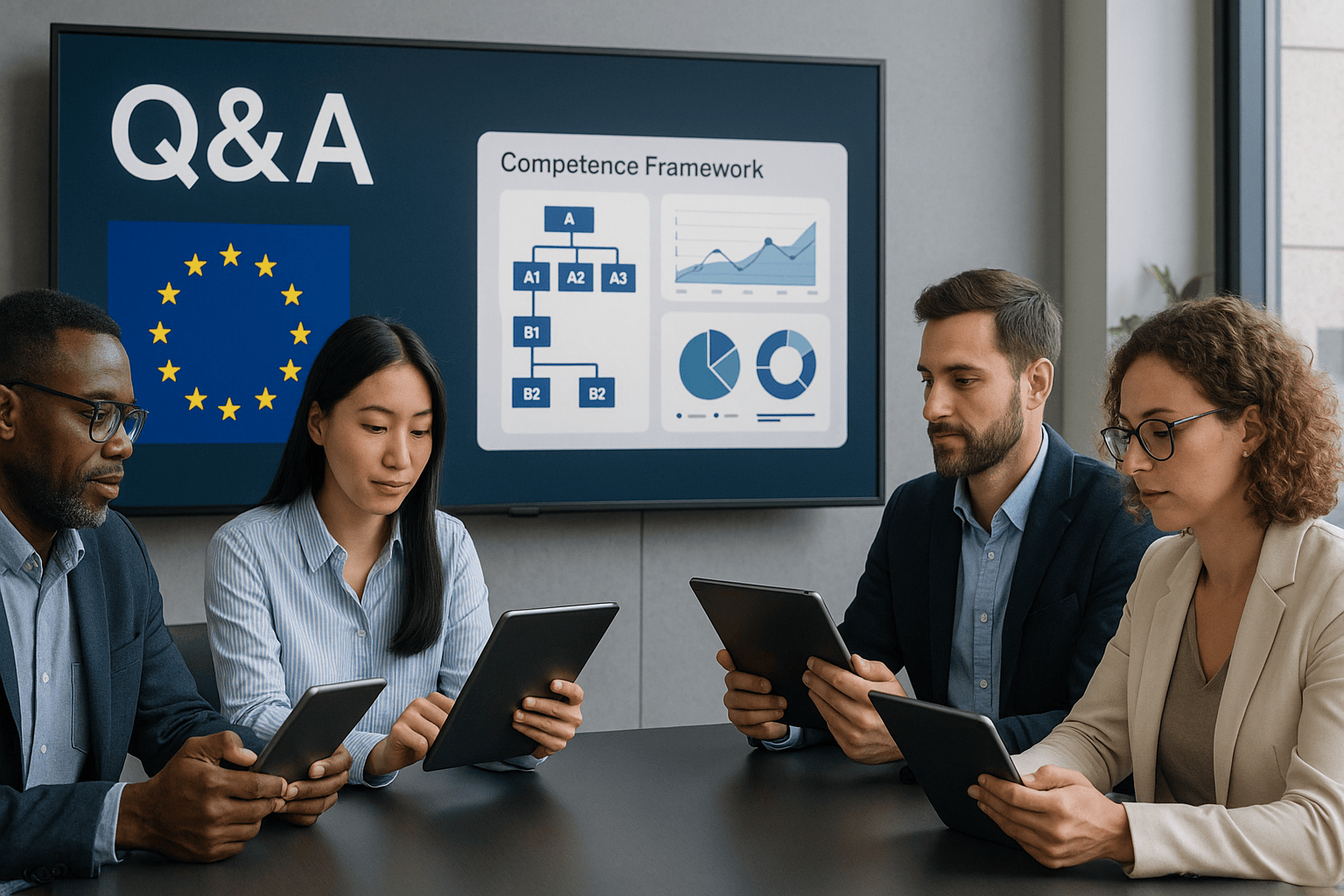
A: Digital competence refers to the confident and critical use of digital technologies for work, learning, and participation in society. In EU project management, it encompasses skills in data analysis, digital communication, cybersecurity awareness, and technology integration. According to the European Commission’s Digital Education Action Plan 2021-2027, 75% of EU enterprises report difficulties finding staff with adequate digital skills. For project managers overseeing EU-funded initiatives worth €1.8 trillion through 2027, digital competence is no longer optional—it’s essential. The framework addresses five core areas: information and data literacy, communication and collaboration, digital content creation, safety, and problem-solving. Modern EU projects increasingly rely on digital platforms for reporting, stakeholder engagement, and impact measurement, making these competencies critical for successful project delivery and compliance with EU standards.
2: The Importance of Digital Competence in EU Project Management
Digital transformation has fundamentally altered EU project management landscapes. Research from the European Investment Bank indicates that digitally mature organizations complete projects 23% faster and 19% more cost-effectively than their traditional counterparts. The COVID-19 pandemic accelerated this shift, with 89% of EU project teams now operating in hybrid or fully remote environments. Digital competence directly impacts project success rates, with digitally skilled teams showing 31% higher completion rates for complex EU initiatives. The European Commission’s Digital Decade targets aim for 80% of adults to have basic digital skills by 2030, emphasizing the urgency for project managers to develop these capabilities. Furthermore, EU funding programs increasingly require digital reporting mechanisms, with Horizon Europe mandating digital project management tools for all grants exceeding €2 million. Organizations lacking digital competence face significant disadvantages in securing and managing EU funding, potentially missing opportunities worth billions annually.

3: Core Digital Skills for EU Project Teams
Essential digital skills for EU project teams encompass five critical domains. Data management and analytics top the list, with 67% of successful EU projects leveraging data-driven decision making. Project managers must master tools like Excel, Power BI, and specialized project management software. Digital communication platforms including Microsoft Teams, Slack, and Zoom have become standard, with 94% of EU projects using at least three different digital communication channels. Cybersecurity awareness is paramount, as cyber incidents cost EU organizations an average of €4.9 million annually. Teams must understand GDPR compliance, secure file sharing, and threat recognition. Cloud-based collaboration tools like SharePoint, Google Workspace, and project-specific platforms enable seamless teamwork across borders. Finally, digital content creation skills—including presentation software, basic graphic design, and video conferencing—enhance stakeholder engagement. The European Digital Competence Framework (DigComp 2.2) provides detailed proficiency levels for each skill area, serving as a benchmark for team development.
4: Assessing Digital Competence - Tools and Methods
Effective assessment of digital competence requires structured approaches and validated tools. The DigComp 2.2 framework, adopted by 27 EU member states, provides comprehensive assessment criteria across eight proficiency levels. Self-assessment tools like the Digital Competence Wheel show 78% accuracy when validated against expert evaluations. Organizations can implement 360-degree digital assessments, combining self-evaluation, peer review, and supervisor assessment. The European Commission’s SELFIE tool has been used by over 650,000 individuals across Europe to assess digital readiness. For project teams, specialized assessments focus on project-specific digital skills, including risk management software proficiency and stakeholder engagement platforms. Competency gap analysis reveals that 43% of EU project managers lack advanced data analysis skills, while 38% need improvement in digital security practices. Regular assessment cycles—recommended quarterly for active projects—enable continuous improvement and targeted training interventions. Digital portfolios and practical demonstrations provide evidence-based validation of competencies beyond traditional testing methods.

5: Developing Digital Skills - Training and Resources
Digital skill development requires strategic investment in training and resources. The European Social Fund Plus allocates €88 billion for skills development through 2027, with significant portions dedicated to digital competence. Massive Open Online Courses (MOOCs) have proven highly effective, with platforms like Coursera and edX reporting completion rates of 67% for project management-focused digital skills courses. The Digital Skills and Jobs Platform provides free training resources used by over 2.3 million Europeans annually. Corporate training programs show the highest success rates, with in-house digital training resulting in 45% skill improvement within six months. Microlearning approaches—delivering content in 5-10 minute modules—accommodate busy project schedules while maintaining engagement. Peer-to-peer learning networks within organizations demonstrate 38% better retention rates compared to traditional classroom training. The European Commission’s Digital Opportunity Traineeships program offers hands-on experience, with 89% of participants reporting significant competence improvements. Blended learning approaches combining online modules with practical application show optimal results for busy project professionals.

6: Implementing the Digital Competence Framework in Projects
Successful framework implementation requires systematic integration into project management processes. Leading EU organizations report 56% improvement in project outcomes after implementing structured digital competence programs. Implementation begins with baseline assessment of current team capabilities, followed by gap analysis and targeted development plans. The framework should align with existing project methodologies—whether PRINCE2, PMBOK, or Agile—ensuring seamless integration. Change management principles are crucial, as 72% of digital transformation initiatives fail due to resistance to change. Regular competence reviews during project milestones enable continuous adjustment and improvement. Digital mentorship programs pair experienced practitioners with developing team members, showing 41% faster skill acquisition rates. Organizations should establish digital competence standards for different project roles, with clear progression pathways. Performance metrics must include digital competence indicators alongside traditional project KPIs. The European Commission recommends quarterly competence assessments for projects exceeding 18 months duration, ensuring teams maintain relevance with evolving digital landscapes.
7: Future Trends - Digital Transformation in EU Project Management
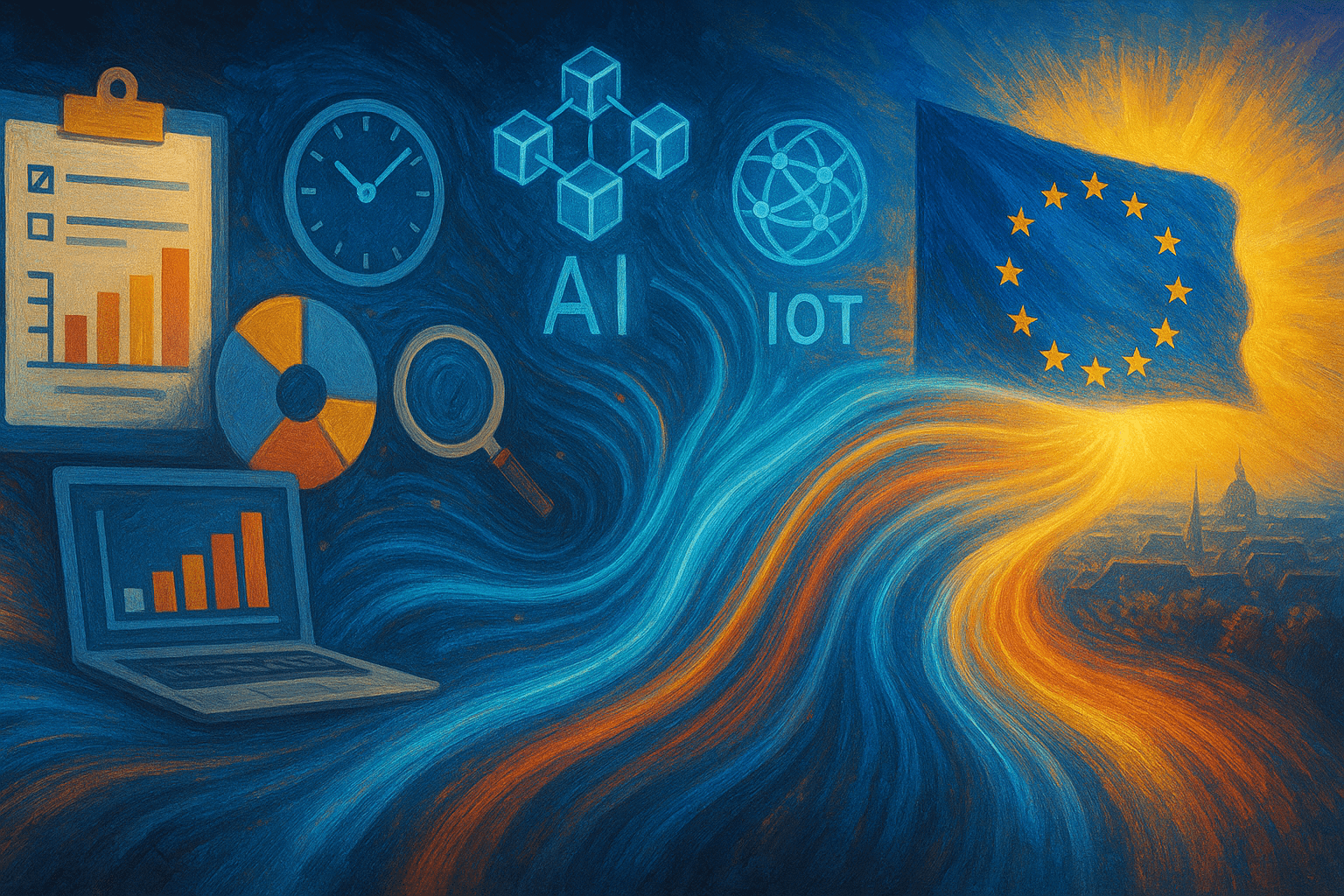
The future of EU project management is increasingly digital, with emerging technologies reshaping traditional practices. Artificial Intelligence integration is accelerating, with 34% of EU organizations planning AI implementation in project management by 2026. Machine learning algorithms can predict project risks with 87% accuracy, enabling proactive intervention. Blockchain technology is revolutionizing project transparency and accountability, with pilot programs showing 43% reduction in administrative overhead. Internet of Things (IoT) applications enable real-time project monitoring, particularly valuable for infrastructure and environmental projects. The European Green Deal emphasizes digital solutions for sustainability, with €150 billion allocated for green-digital twin transitions. Virtual and Augmented Reality technologies are transforming stakeholder engagement, with VR project presentations showing 62% higher approval rates. Low-code/no-code platforms democratize application development, enabling project teams to create custom solutions without extensive programming knowledge. By 2030, the European Commission projects that digital-first project management will be standard across all EU-funded initiatives, requiring comprehensive competence frameworks to ensure successful adaptation and implementation.