PREVIOUS


Quarterly tribute:
Creative Change in EU Project Management
- tlab
- 29/12/2025
- 12:40 AM
- 0 comments
Environmental Priorities in Erasmus+ 2026 Projects
Erasmus+ 2026 makes environmental sustainability a selection criterion, not an option. Project managers face binding green mobility requirements, GreenComp integration obligations, and rigorous monitoring frameworks. Success requires embedding climate action into design, budget, and documentation from project inception.
1. The Regulatory Foundation of Green Integration
The Erasmus+ Programme Guide 2026 establishes environment and climate action as a horizontal priority across all programme actions, fundamentally reshaping project design requirements. According to the European Commission's official documentation, priority is explicitly given to projects that develop competences in green sectors and support planned approaches to environmental sustainability. This regulatory shift aligns with the European Green Deal Communication, which positions schools, training institutions, and universities as critical actors in achieving climate neutrality by 2050. The Council Recommendation on learning for the green transition, adopted in 2022, emphasizes that sustainability must become integral to curricula, professional development, and institutional infrastructure. For project managers, this creates binding obligations rather than voluntary commitments. The programme's total 2025 allocation reached approximately €5 billion, representing a 6% increase compared to 2024, with significant portions earmarked specifically for sustainable mobility incentives and green project components. The regulatory framework now treats environmental integration as a selection criterion, directly affecting funding decisions and project approval rates.

2. Mandatory Green Mobility Requirements
Transport choices constitute the most immediate and measurable environmental impact area within Erasmus+ projects. The 2026 Programme Guide establishes clear rules: for journeys below 500 kilometres, participants must, as a general rule, use low-emission transport modes. This requirement aligns with the EU's legally binding target to reduce greenhouse gas emissions by 55% by 2030 compared to 1990 levels, as codified in the European Climate Law. Since 2021, the programme has allocated additional funding specifically designated for "green travel," recognizing that transportation mode significantly influences project carbon footprints. Project managers must now budget for potentially longer travel times and higher per-kilometre costs associated with rail versus air transport. The Finnish National Agency for Education reported that portions of its €71 million 2025 allocation would specifically "encourage people to travel by land to promote sustainable mobility". For multi-partner projects spanning multiple countries, this creates complex logistical challenges requiring route planning, schedule coordination, and contingency arrangements for weather-related delays. Non-compliance with green mobility requirements can result in budget corrections during audits.
3. The GreenComp Framework Application
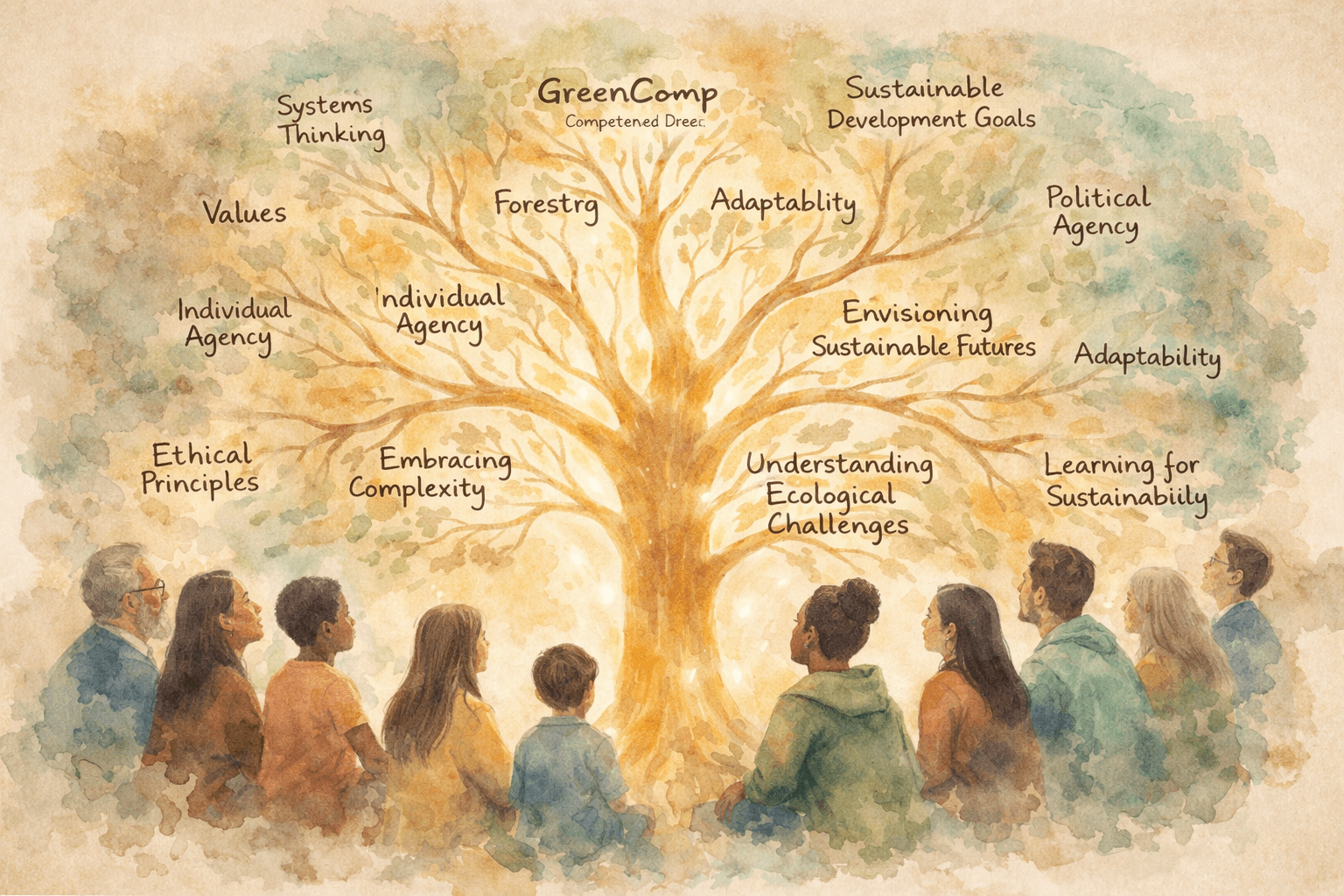
The European sustainability competence framework, known as GreenComp, provides the pedagogical foundation that Erasmus+ 2026 projects must integrate. Published as a reference model for sustainability competences, GreenComp identifies twelve specific competences organized into four inter-related areas: embodying sustainability values, embracing complexity in sustainability, envisioning sustainable futures, and acting for sustainability. These competences apply across all ages, education levels, and settings, requiring project designers to embed them systematically in learning outcomes and activity design. The framework serves as both a design tool and an evaluation criterion during project assessment. For vocational education projects, this means integrating competences into technical training curricula. For youth exchanges, it requires structured reflection activities and action-oriented components. According to the Programme Guide 2026, platforms such as the European School Education Platform (including eTwinning) and EPALE continue producing support materials and facilitating exchange of effective practices for environmental sustainability. Project managers must demonstrate explicit mapping between their activities and GreenComp competences in application forms and interim reports.

4. Budget Architecture for Environmental Components
Environmental sustainability generates direct cost implications that require careful financial planning and documentation. Green travel typically costs 30-50% more than conventional air transport for distances of 500-1,500 kilometres, yet the programme provides supplementary grants to cover these differentials. Project managers must itemize these costs separately in budget proposals, distinguishing between standard mobility allowances and green travel supplements. Infrastructure investments in eco-friendly project management – such as digital collaboration platforms reducing physical meeting requirements, renewable energy for event venues, or sustainable catering – constitute eligible costs when properly justified. The Programme Guide explicitly states that organisations and participants should "incorporate green practices in all projects when designing activities". However, this creates audit risk when costs appear disproportionate to project scale or inadequately documented. Real-world budget constraints mean trade-offs: investing in green mobility may reduce participant numbers or activity duration. The Finnish example shows differentiated funding streams, with mobility budgets of approximately €63 million and partnership cooperation budgets of €7.5 million in 2025, requiring strategic decisions about resource allocation.

5. Integration Across Educational Sectors
The horizontal nature of environmental priorities means sector-specific adaptation challenges for higher education, vocational training, school education, adult learning, and youth programmes. Higher education institutions must integrate sustainability into research projects, teaching methodologies, and campus operations simultaneously. According to the Programme Guide, priority flows to projects that develop "green sectorial skills strategies and methodologies and future-oriented curricula". Vocational education faces particular pressure to update competence profiles in sectors undergoing green transition – from construction (energy-efficient building techniques) to agriculture (bio-agriculture, soil protection, sustainable farming). School education projects must address the Council Recommendation's requirement that "learning for the green transition" become a priority in education policies. Adult education programmes target professionals requiring reskilling for green jobs and sustainable practices in existing roles. Youth projects emphasize behavioral change and active citizenship for sustainable development. Each sector requires different documentation approaches, assessment tools, and outcome indicators, creating complexity for organisations operating across multiple sectors within a single project consortium.

6. Quality Assurance and Monitoring Frameworks
Environmental commitments translate into measurable indicators that National Agencies and the European Commission monitor throughout project lifecycles. Reporting templates now require quantitative data on carbon footprint, percentage of participants using low-emission transport, and specific activities addressing environmental competences. Projects must document both intentions (environmental sustainability plans submitted with applications) and outcomes (actual implementation evidence in interim and final reports). The Programme Guide states that "organisations and participants involved should strive to incorporate green practices in all projects when designing activities, which will encourage them to discuss and learn about environmental issues". This creates ongoing documentation obligations: travel receipts showing transport mode, carbon calculators validating emissions data, participant surveys measuring awareness changes, and photographic evidence of sustainable practices implemented. For organisations operating under Erasmus Accreditation, environmental performance becomes part of long-term quality assessment affecting future funding access. The heightened audit and documentation requirements that characterize EU-funded projects intensify further when environmental dimensions factor into compliance reviews, where mistakes can translate into financial corrections.
7. Strategic Risk Management for Project Managers
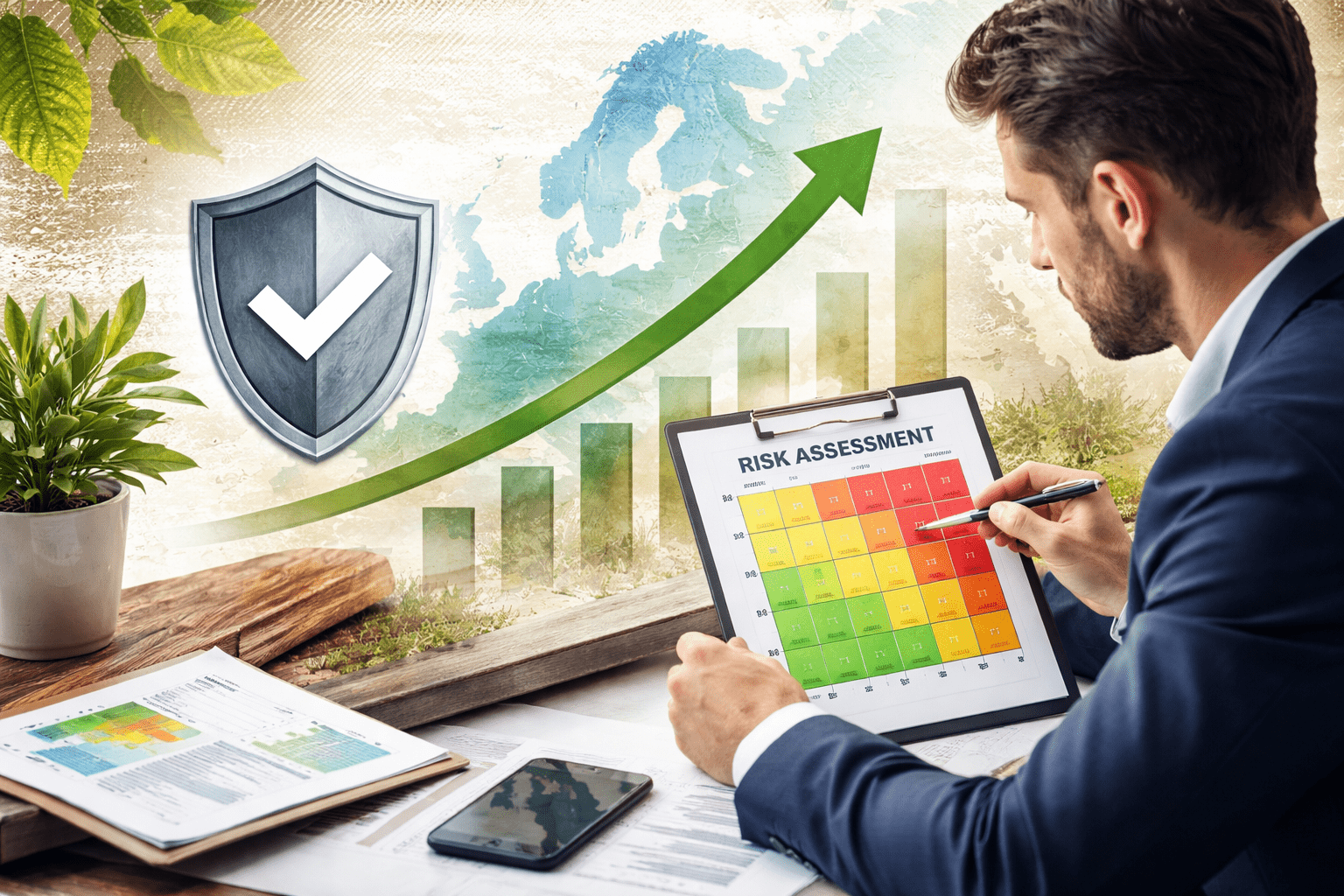
Environmental priority integration introduces specific risks requiring proactive mitigation strategies. Regulatory risk emerges from evolving requirements: the Programme Guide updates annually, and green standards tighten progressively toward the 2050 carbon neutrality target. Project managers must monitor policy developments through official channels and National Agency communications. Operational risk materializes when green transport delays threaten project timelines or when sustainable venue options prove unavailable in certain locations. Financial risk occurs when green practices exceed budgeted amounts or when auditors challenge cost eligibility. Reputational risk affects organisations whose environmental claims exceed documented performance. TalentLab's two decades of experience across European project management demonstrates that successful navigation requires embedding environmental considerations from initial concept development, not retrofitting them into conventional project designs. This means conducting carbon footprint assessments during planning, securing written confirmations from partners about green commitments, building contingency buffers for transport uncertainties, and maintaining granular documentation throughout implementation. The strategic value lies not in treating environmental priorities as compliance burdens, but in recognizing them as selection criteria that, when expertly addressed, increase competitiveness in increasingly oversubscribed funding programmes.