PREVIOUSNEXT


Quarterly tribute:
Creative Change in EU Project Management
- tlab
- 29/08/2025
- 11:43 AM
- 0 comments
Inclusive Project Design for Diverse European Communities
Inclusive project design transforms EU funding into measurable social impact. By mapping diversity, applying participatory methodologies, and measuring outcomes, project managers ensure no community is left behind—strengthening both funding success and Europe’s social cohesion.
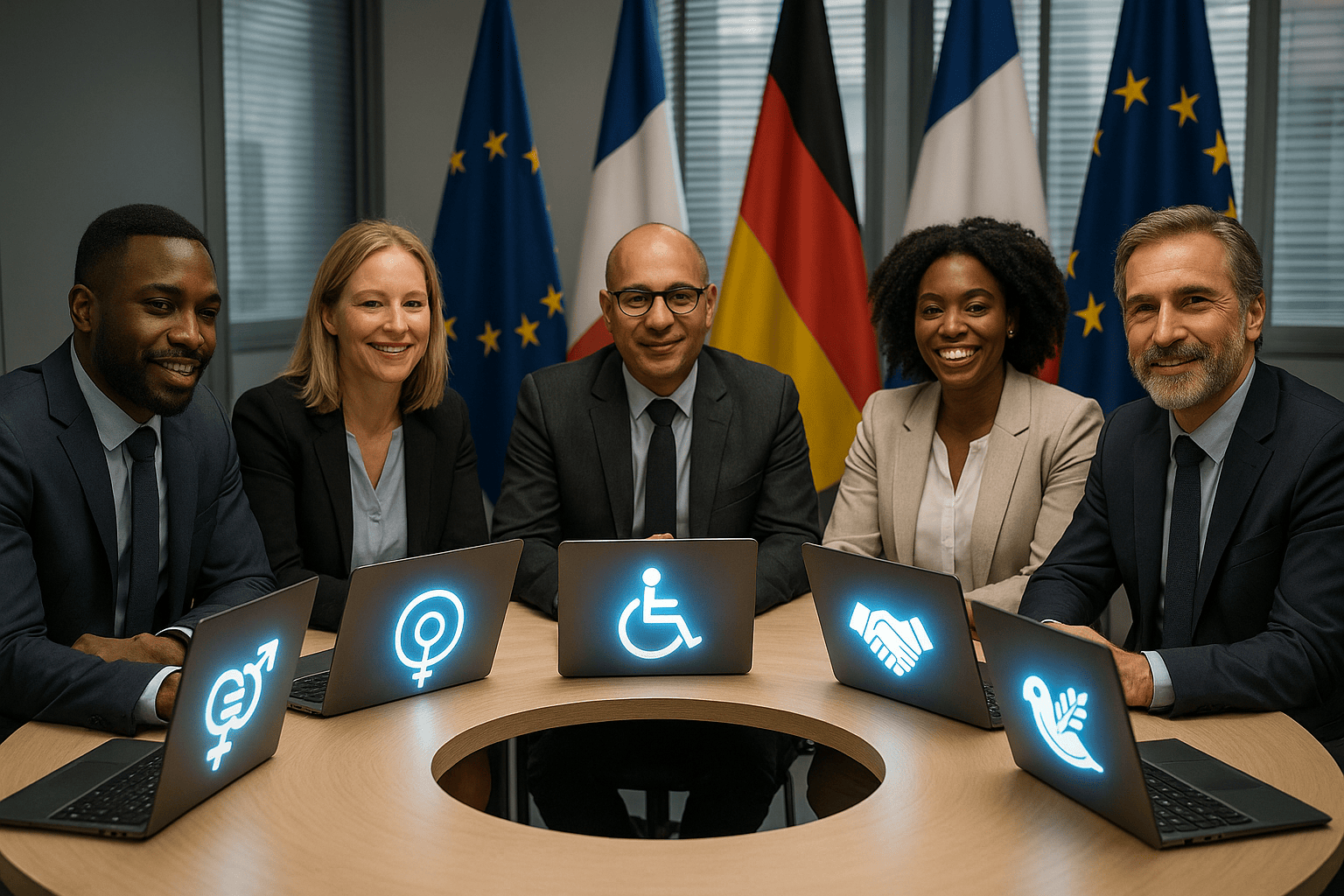
1. What Do We Mean by Inclusive Project Design?
Q: What is inclusive project design?
A: Inclusive project design ensures that EU-funded projects benefit groups regardless of gender, culture, ability, or socioeconomic background.
Q: Why is it critical for Europe?
A: Europe counts over 447 million inhabitants from 27 states, with a growing 24 million non-EU migrants. Without inclusive practices, projects risk excluding important stakeholders, diminishing impact and EU funding success.
Q: Which policies guide inclusion?
A: The European Pillar of Social Rights (2017), the 2030 Agenda for Sustainable Development, and the EU Social Inclusion Strategy provide frameworks for equity-driven project design.
Q: What is the value for project managers?
A: Beyond compliance, inclusion ensures strong evaluation scores, real-world impact, and sustainable community transformations across Europe.
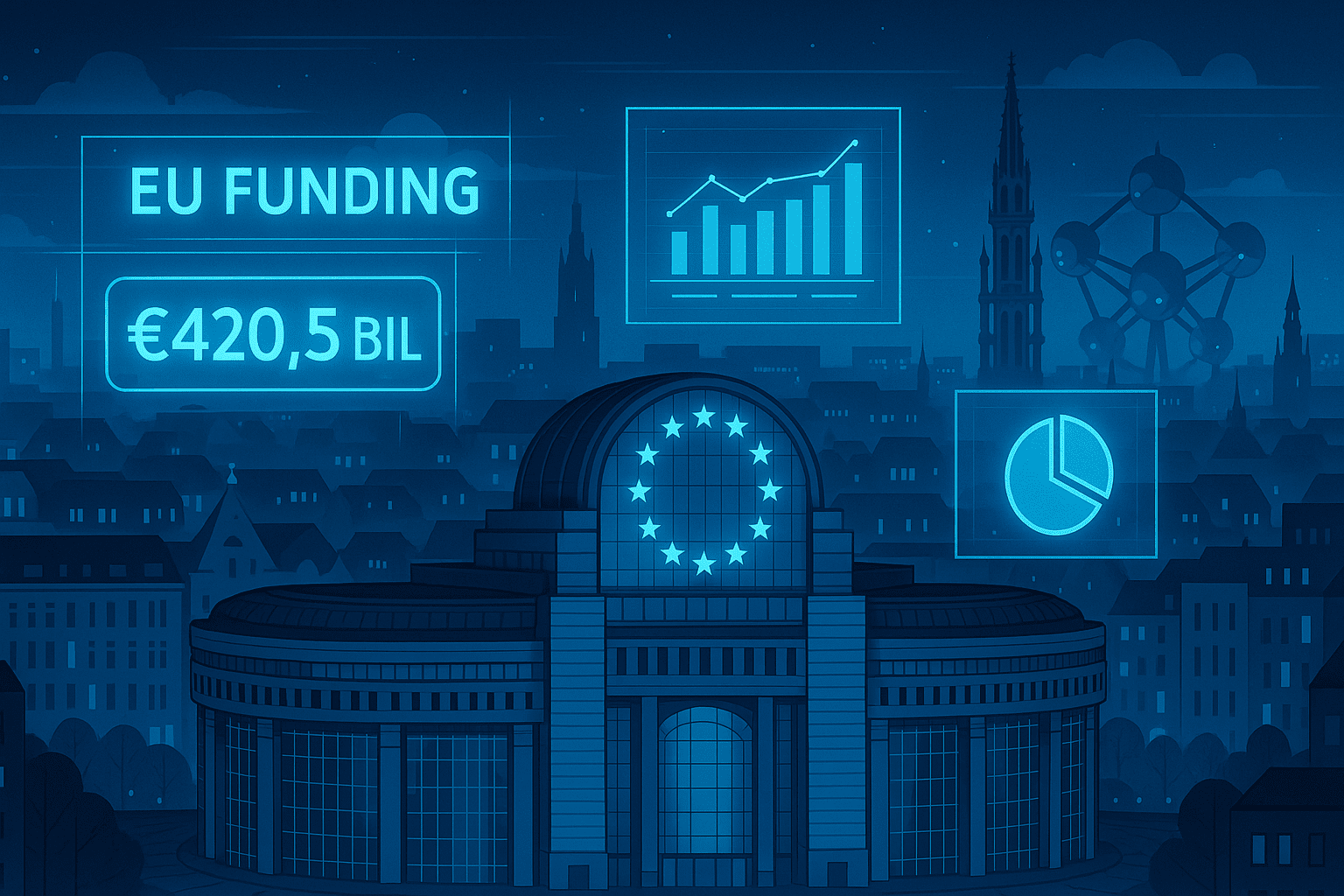
2. Social Inclusion in EU Policy Context
In Europe, 1 in 4 citizens (24.4%) were at risk of poverty or social exclusion in 2023, according to Eurostat. This stark figure underlines why inclusion is a core condition in EU funding. The EU mandates mainstreaming equality into all Cohesion Policy (2021–2027) programs, representing more than €392 billion in funding. Social inclusion is not just an ideal; it is a regulatory requirement influencing project eligibility under Erasmus+, Horizon Europe, and ESF+. Successful projects increasingly show strong evidence of diversity-sensitive design. Cultural contexts matter: while Sweden reports less than 16% exclusion risk, Romania reaches over 32%, showing disparity. An inclusive approach means considering these national gaps when building cross-border consortia. Policies emphasize measurable impact: equality indicators, female participation rates, and digital accessibility targets. For managers, aligning methodologies with these metrics not only ensures compliance but also builds credibility and increases chances of long-term community adoption.
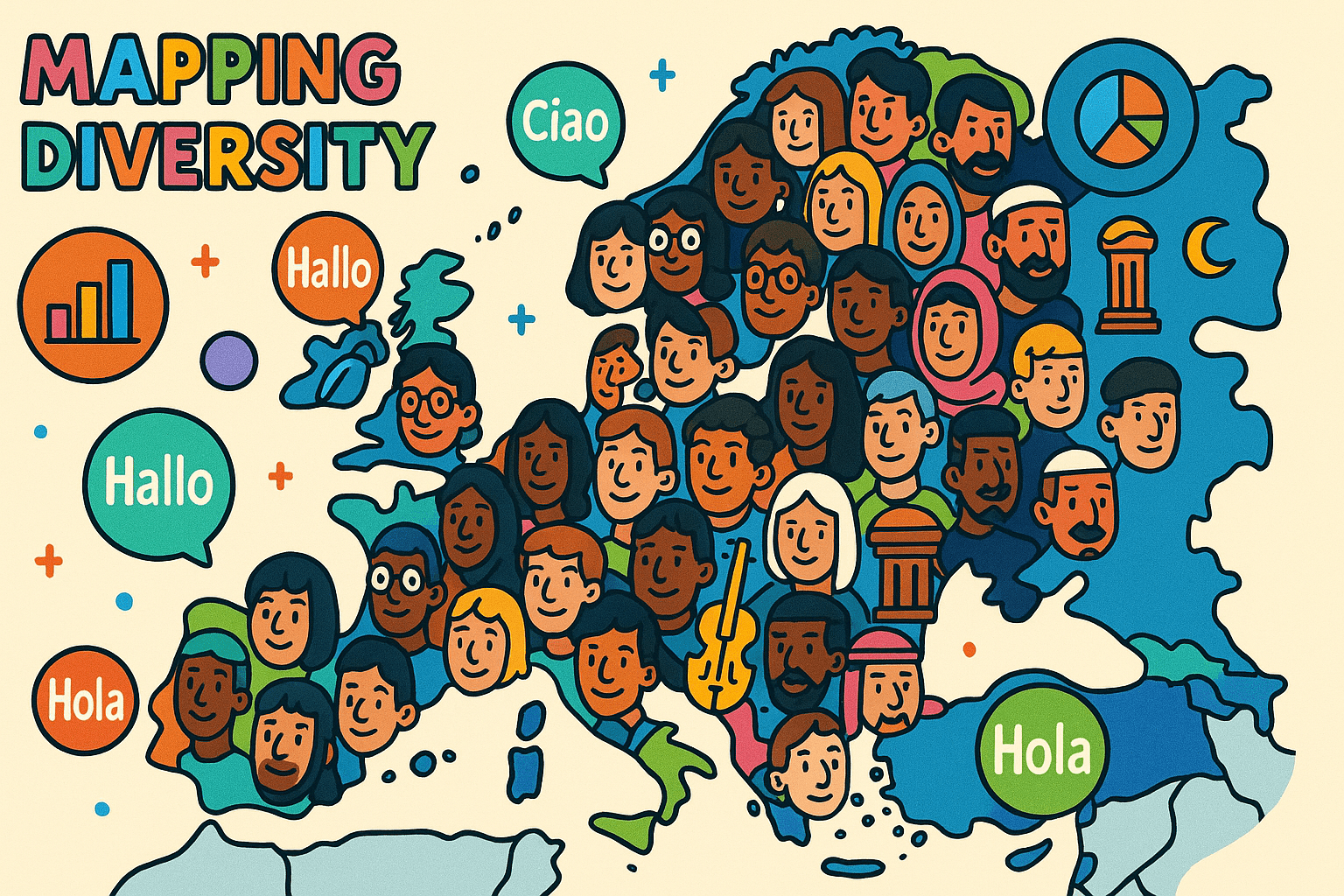
3. Mapping Diversity Across European Communities
Europe is a mosaic: 200+ languages, minority groups like the 10 million Roma, and rapidly diversifying urban centers such as Berlin or Brussels. Project design must integrate these realities. Consider disability: about 87 million Europeans live with disabilities, roughly 20% of the population. Ageing demographics are pivotal: By 2050, 30% of EU citizens will be over 65. Migration continues to reshape social dynamics, with immigrants making up 8.6% of the EU population. Such figures stress why project activities must map stakeholders well before implementation. Inclusive design includes accurate baseline surveys, intersectional analysis tools, and community mapping workshops. For instance, EU-funded education projects are increasingly required to disaggregate participation data by gender, ethnicity, and disability. By capturing diversity, managers prevent blind spots and can proactively address structural inequalities. Accurate data mapping shifts inclusion from abstract principle to measurable design driver—raising both evaluator confidence and real societal impact.
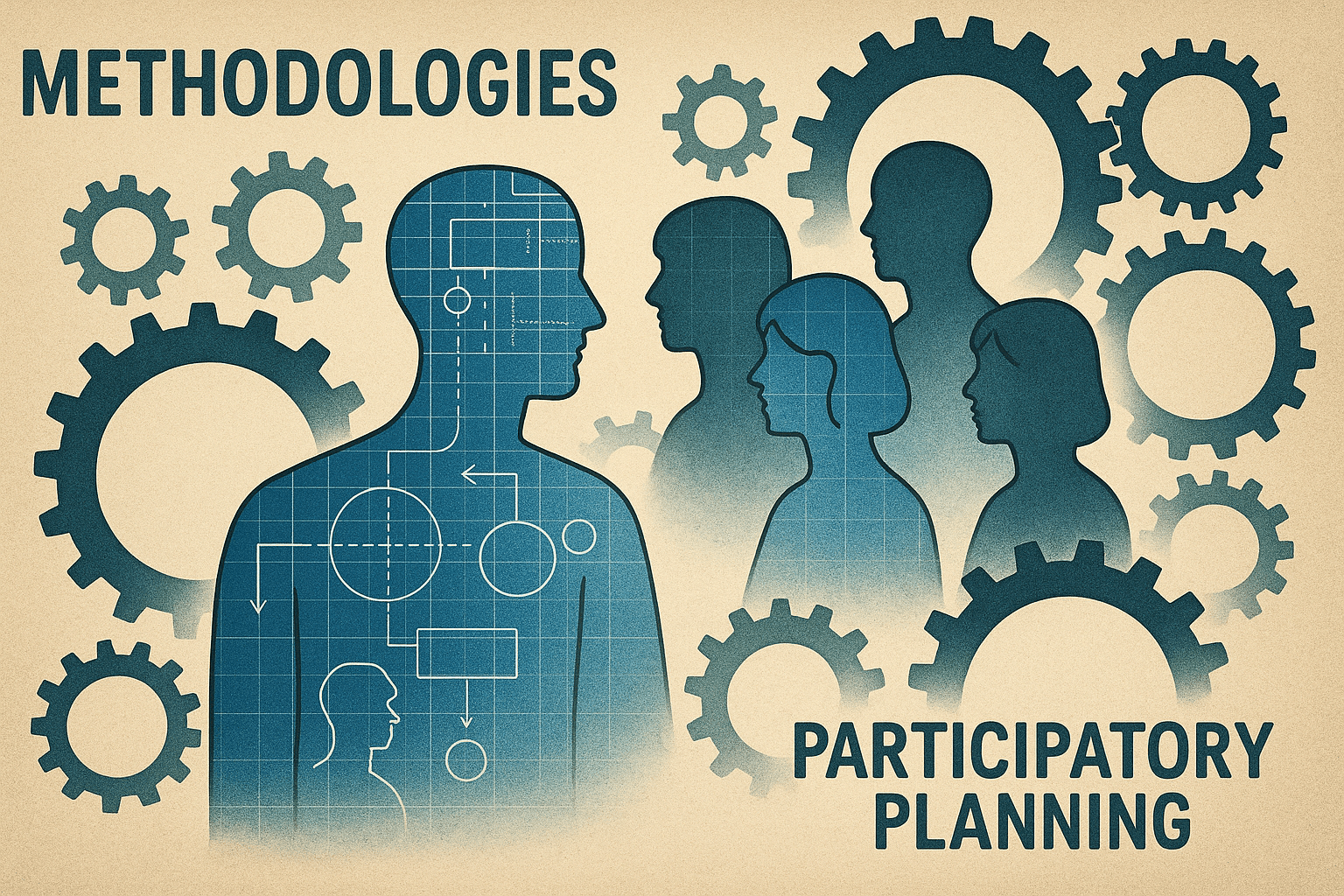
4. Methodologies for Inclusive Project Planning
Developing methodologies begins with participatory design: engaging communities at the planning stage. Research shows projects with meaningful participation have 40% higher sustainability rates. Inclusivity is reinforced by gender mainstreaming checklists, impact assessments, and accessibility standards (EN 301 549 for ICT). EU projects increasingly apply multi-criteria analysis to balance social, environmental, and economic impact. Effective techniques include focus groups with underrepresented stakeholders, intercultural dialogue facilitation, and barrier assessments for disabled participants. Another core component is SMART indicators—specific and measurable inclusion metrics. For instance, defining a target such as “40% of participants from inclusion priority groups,” rather than vague commitments to diversity. Innovative project planning models also incorporate culturally responsive pedagogy in Erasmus+ education projects—acknowledging and valuing learner backgrounds. By applying structured, measurable, and participatory methods, managers not only comply with EU standards but also ensure projects drive lasting community transformation. Metrics ensure credibility, communities ensure relevance, funders ensure sustainability.

5. Case Studies: Inclusion in Action
An Erasmus+ project in Spain integrated immigrant youth in vocational training and achieved a 35% higher completion rate compared to standard cohorts. In Romania, ESF+ projects tackled Roma marginalization, reaching over 150,000 beneficiaries in education and employment. Similarly, Sweden’s Horizon Europe initiatives on accessible digital health tools advanced AI-based translation for 24 EU languages. Measured outcomes highlight clear success: in Portugal, inclusive STEM learning boosted participation of girls in secondary technical schools by 27% between 2018–2022. Cost-benefit evaluations show high returns from inclusive models. For each euro invested in inclusive education projects, between €1.4 and €2 savings were recorded in long-term unemployment costs. These cases illustrate the market and social logic: inclusive design is sustainable not only ethically but financially. EU guidelines increasingly demand such result-driven reporting, proving inclusion is essential and feasible. Learning from cross-country examples equips managers with tested strategies and clear pathways for replication.

6. Tools and Metrics for Effective Measurement
Evaluation frameworks anchor inclusion in evidence. The European Social Scoreboard monitors 14 indicators on education, employment, and social fairness across states. Tools like SWOT analysis, Theory of Change frameworks, and gender budgeting connect project actions to outcomes. Technology enhances access: AI-driven data analytics and digital dashboards allow real-time monitoring of participant diversity. For instance, Horizon projects now require annual diversity reporting, covering participation rates of women, migrants, and disabled groups. Impact efficiency is measured by Key Performance Indicators (KPIs) like “% reduction of skills gaps among vulnerable youth.” Accessibility is a crucial dimension, with digital projects needing at least WCAG 2.1 compliance. Evidence-based inclusion isn’t optional: programs report stronger evaluation results when armed with clear, verifiable figures. Projects operating without metrics risk weak impact narratives. Effective measurement translates abstract commitments into score-ready realities, enabling managers to tell quantifiable inclusion stories that secure funding, recognition, and replication potential.
7. Future of Inclusive EU Project Design
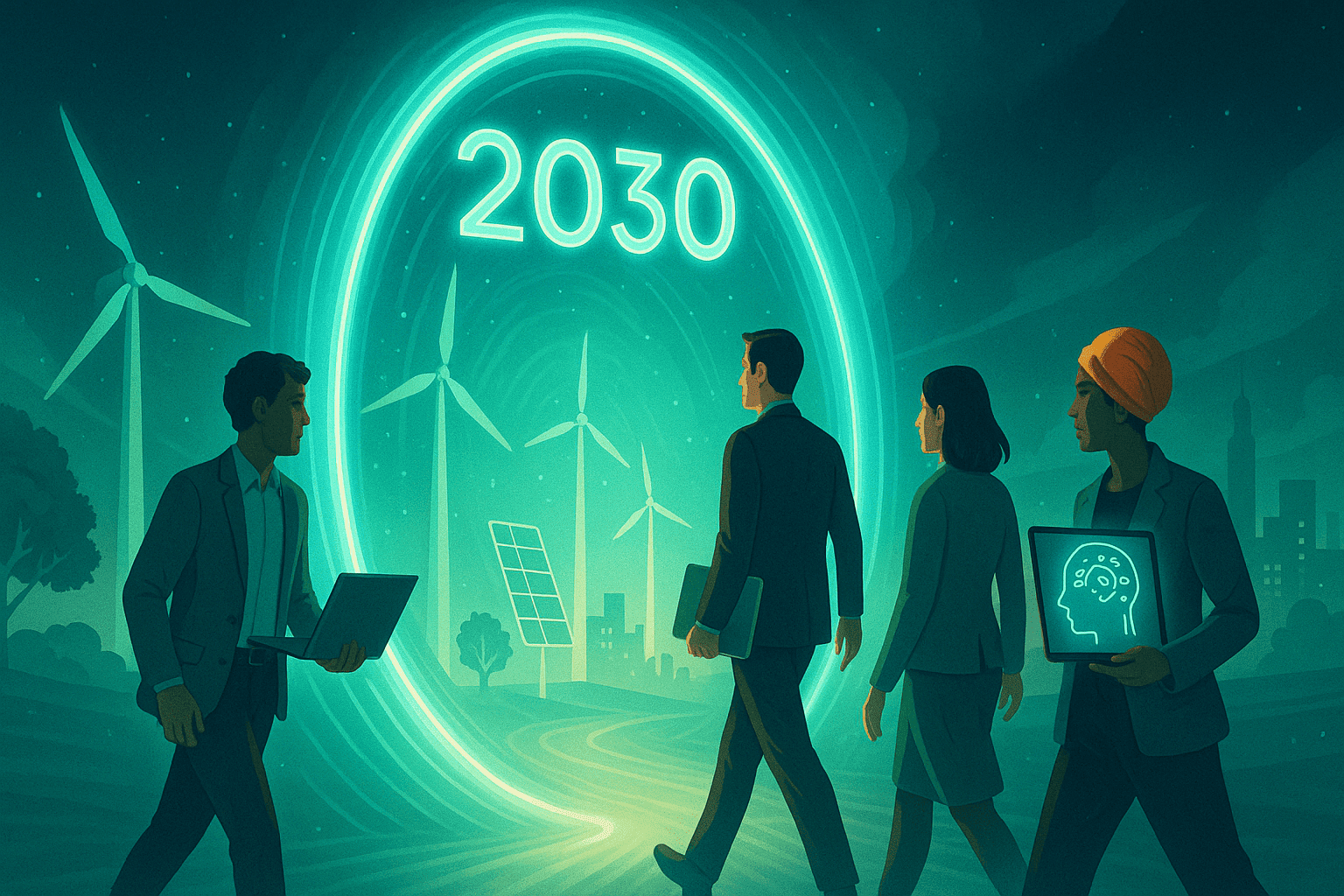
By 2030, the EU aims to reduce by 15 million people those at risk of exclusion. Digitalization and green transitions will reshape participation needs, demanding reskilling for 60% of workers by 2030 (World Economic Forum). Inclusivity will evolve toward intersectionality—acknowledging overlapping challenges of migrants, female workers, elderly citizens, and disabled groups simultaneously. Future methodologies will emphasize AI for accessibility, gamified learning for cross-cultural engagement, and climate justice inclusion frameworks. EU funds, totaling €2 trillion (2021–2027 MFF + NGEU), will increasingly prioritize social equity. Project managers must prepare to design agile, tech-enabled, and socially conscious interventions. The direction is clear: inclusive design is both a policy imperative and a societal necessity. Teams who master it will lead Europe into a more resilient, equitable, and socially cohesive decade—setting examples for global best practices. The future belongs to inclusive leaders who turn diversity into strength.